Om Yoga International

RYT 500 Hour Complete Yoga Teacher Training

RYT 500 — Yoga Alliance USA · 60 days · Residential in Rishikesh

RYT 500
RYT Courses

Course overview

The 60-Day Residential RYT 500-Hour Yoga Teacher Training Course in Rishikesh India, Complete your 200-hour and 300-hour training in one comprehensive residential immersion covering yoga philosophy, anatomy, asana, pranayama, meditation, and supervised teaching practice.
Program fees range from $1699 USD (triple sharing) to $2489 USD (private room), including accommodation, meals, course materials, and certification.

🧭

Find your ideal yoga TTC

Rishikesh is the Yoga Capital of the World, and with hundreds of schools offering similar Teacher Training Courses, choosing the right one can feel overwhelming. Most follow a comparable curriculum, duration, daily schedule and certification format — so what truly sets one school apart?

What makes Om Yoga International different?

We offer much more than a Yoga Teacher Training Course — an approach that blends the authentic spiritual wisdom of yoga with scientific understanding and real teaching skill. Here are seven reasons students choose us.

Course curriculum

Course modules & syllabus

A comprehensive breakdown of every subject area covered during the training. All modules are taught in English with study materials provided.

1 Yoga Philosophy – Yoga & Yoga Practices

Explore the timeless wisdom of yoga and its practical techniques for achieving physical health, mental clarity, and spiritual growth..

Yoga: Etymology, Definitions, Aims & Objectives

Explore the origin, meaning, and classical definitions of Yoga, while understanding its purpose as a path toward physical health, mental clarity, emotional balance, and spiritual growth.

Principles of Sukshma & Sthula Vyayama & Asanas
Learn the foundational principles of subtle (Sukshma) and gross (Sthula) yogic exercises, along with the practice of asanas to develop strength, flexibility, stability, coordination, and body awareness.

Principles of Pranayama, Bandhas & Mudras
Understand the science of breath control, energy locks, and yogic gestures, and their role in regulating prana, enhancing vitality, improving concentration, and supporting higher states of awareness.

Principles of Shatkarmas
Study the traditional yogic cleansing techniques that help purify the body, improve physiological functioning, support respiratory and digestive health, and prepare practitioners for deeper yogic practices.

Hatha, Vinyasa, Ashtanga, Iyengar Yoga & Other Traditions
Gain a comprehensive understanding of major yoga styles, their philosophies, methodologies, and unique contributions to physical development, mental discipline, and self-transformation.

Yogic Diet: Sattvic, Rajasic & Tamasic Nutrition
Explore the yogic approach to nutrition and learn how different types of foods influence physical health, mental states, energy levels, and overall consciousness.

Practices of Healthy Living
Discover practical yogic lifestyle principles that promote balance, vitality, self-discipline, disease prevention, and long-term well-being in daily life.

Mindfulness & Meditation
Develop the skills of present-moment awareness, concentration, and inner observation through mindfulness and meditation practices that foster mental clarity, emotional stability, and inner peace.

Ethics for Yoga Teachers
Understand the ethical foundations of yoga teaching, including integrity, compassion, responsibility, professionalism, respect for students, and adherence to yogic values both on and off the mat.

Integrating Yoga into Daily Life
Learn how to apply yogic principles, practices, and wisdom beyond the classroom to cultivate a conscious, balanced, and purposeful way of living.

Personal Growth & Self-Transformation Through Yoga
Explore Yoga as a lifelong journey of self-discovery, self-mastery, and holistic development, supporting continuous growth at physical, mental, emotional, and spiritual levels.

2 Philosophy: Study of Yoga Texts

Explore the wisdom of ancient yogic scriptures to deepen understanding, self-awareness, and spiritual growth..

Prasthanatrayi, Upanishads, Bhagavad Gita, Samkhya Yoga & Yoga Vashistha

Explore the foundational scriptures and philosophical traditions that form the basis of yogic wisdom, offering profound insights into consciousness, self-realization, liberation, and the nature of existence.

Six Schools of Indian Philosophy & Vedanta Darshana
Study the six classical systems (Shad Darshanas) of Indian philosophy and gain a deeper understanding of Vedanta's teachings on the Self, ultimate reality, consciousness, and spiritual freedom.

Jnana, Bhakti, Karma & Raja Yoga
Examine the four principal paths of Yoga—Knowledge, Devotion, Selfless Action, and Meditation—and understand how each provides a unique approach to personal transformation and self-realization.

Yoga Sutras of Patanjali
Explore the timeless teachings of Patanjali, including the nature of the mind, obstacles to spiritual growth, methods of self-discipline, and the path toward inner peace and higher consciousness.

Eight Limbs of Ashtanga Yoga
Gain a comprehensive understanding of the Eightfold Path of Yoga, encompassing ethical principles, self-discipline, physical practice, breath control, concentration, meditation, and self-realization.

Hatha Yoga Pradipika, Gheranda Samhita & Shiva Samhita
Study the classical texts of Hatha Yoga that provide detailed guidance on asanas, pranayama, mudras, bandhas, meditation, purification practices, and the awakening of higher consciousness.

Yoga in Jainism & Buddhism
Explore the yogic dimensions of Jain and Buddhist traditions, focusing on meditation, mindfulness, ethical living, self-discipline, and liberation from suffering.

Pancha Kosha, Nadis & Chakras
Understand the subtle anatomy of Yoga, including the five sheaths of human existence (Pancha Koshas), the network of energy channels (Nadis), and the chakra system as pathways for physical, mental, and spiritual development.

Teachings of Great Yoga Masters
Gain inspiration from the lives, teachings, and contributions of influential yoga masters who have shaped the evolution and global understanding of yoga.

Concepts of Consciousness & Self-Realization
Examine yogic perspectives on the nature of consciousness, the relationship between body and mind, and the journey toward self-awareness and spiritual awakening.

Ancient Wisdom for Modern Living
Learn how classical yogic teachings can be applied to contemporary life, supporting personal growth, emotional balance, ethical living, and holistic well-being.

Philosophy as the Foundation of Yogic Practice
Develop a deeper appreciation of how philosophical understanding enriches yoga practice, transforming it from physical exercise into a comprehensive path of self-discovery and inner transformation.

3 Anatomy & Physiology

Understand the structure and functions of the human body to enhance safe and effective yoga practice.

Introduction to the Human Body & Its Systems

Develop a foundational understanding of the human body's structure, organization, and functions, exploring how various physiological systems work together to maintain health and vitality.

Biomechanics of the Body, Bones, Joints & Muscles
Learn the principles of human movement, posture, alignment, and body mechanics, and understand how bones, joints, muscles, and connective tissues contribute to safe and efficient movement.

Musculoskeletal & Cardiovascular System
Study the anatomy and functions of the skeletal, muscular, and cardiovascular systems, gaining insight into movement, stability, strength, circulation, endurance, and overall physical performance.

Respiratory & Digestive System
Explore the structure and function of the respiratory and digestive systems, understanding how breathing, oxygen exchange, digestion, and nutrient absorption support health and well-being.

Nervous & Endocrine System
Examine the body's communication and regulatory networks, including the brain, nerves, glands, and hormones, and their role in stress management, emotional balance, and physiological regulation.

Sensory Organs & Perception
Understand the anatomy and function of the sensory organs and how they contribute to perception, awareness, coordination, and interaction with the environment.

Impact of Yoga on Human Body Systems
Discover how yogic practices influence the body's major systems, enhancing flexibility, strength, circulation, respiratory efficiency, nervous system balance, hormonal health, and overall wellness.

Physical Limitations, Injury Prevention & Safe Alignment
Learn essential principles of safe practice, postural awareness, and alignment techniques to prevent injuries, respect individual limitations, and create sustainable yoga practices for diverse populations.

Common Disorders & Their Yogic Management
Gain an understanding of common health conditions affecting different body systems and explore how yoga can serve as a supportive tool for prevention, health promotion, and overall well-being.

Applied Anatomy for Yoga Teachers
Develop the practical anatomical knowledge required to teach yoga safely and effectively, adapting practices to individual needs while promoting proper movement and alignment.

Breath, Movement & Functional Awareness
Explore the relationship between breath, posture, movement, and body awareness to deepen practice, improve performance, and cultivate mindful movement.

Scientific Foundations of Yoga Practice
Bridge traditional yogic wisdom with modern anatomical and physiological understanding to support evidence-informed teaching and practice.

4 Health & Wellness

Cultivate a balanced lifestyle through yoga, nutrition, mindfulness, and holistic well-being.

Concept of Health, Wellness & Illness

Explore the yogic understanding of health as a harmonious state of physical, mental, emotional, and spiritual well-being. Understand wellness as a conscious way of living and illness as an imbalance that disrupts the body's natural equilibrium.

Panch Koshas, Adhi & Vyadhi
Study the five layers of human existence (Annamaya, Pranamaya, Manomaya, Vijnanamaya, and Anandamaya Kosha) and understand the yogic perspective of disease, where mental disturbances (Adhi) can manifest as physical ailments (Vyadhi).

Four Pillars of Yoga
Learn the fundamental principles of holistic health through proper exercise (Asana), proper breathing (Pranayama), proper relaxation, and proper nutrition, forming the foundation of a balanced yogic lifestyle.

Dinacharya & Ritucharya
Understand the importance of daily routines (Dinacharya) and seasonal practices (Ritucharya) that align the body and mind with natural rhythms, promoting vitality, balance, and disease prevention.

Ahara, Nidra & Brahmacharya
Explore the essential role of balanced nutrition (Ahara), restorative sleep (Nidra), and mindful self-discipline (Brahmacharya) in maintaining physical health, mental clarity, emotional stability, and overall well-being.

Importance of the Psycho-Social Environment
Examine how relationships, community support, emotional well-being, lifestyle choices, and environmental influences contribute to health, personal growth, and quality of life.

Trigunas, Panch-Kleshas & Taptrayas
Gain insight into the three qualities of nature (Sattva, Rajas, and Tamas), the five causes of suffering (Panch-Kleshas), and the three categories of afflictions (Taptrayas), and understand their significance in yogic psychology and self-transformation.

Panch Prana & Chakra System
Study the five vital life forces (Prana, Apana, Samana, Udana, and Vyana) and the chakra system, exploring their role in physical vitality, emotional balance, energetic harmony, and spiritual evolution.

Yogic Principles for Healthy Living
Learn practical lifestyle guidelines rooted in yogic wisdom that support preventive healthcare, self-care, resilience, and sustainable well-being.

Mind-Body-Energy Connection
Understand the interconnected relationship between body, mind, breath, and energy, and how yogic practices help restore balance and promote holistic health.

Holistic Wellness Through Yogic Living
Integrate traditional yogic concepts into modern life to cultivate harmony, vitality, self-awareness, and a deeper sense of purpose and well-being.

5 Applied Yoga

Apply yogic principles and practices to enhance health, manage stress, and improve quality of life.

Yoga for Personality Development

Discover how yoga nurtures self-awareness, confidence, discipline, emotional intelligence, and positive character traits, supporting holistic personality development and personal growth.

Yogic Management of Stress
Learn practical yogic tools, including asanas, pranayama, meditation, and relaxation techniques, to effectively manage stress, enhance resilience, and cultivate mental calmness and emotional balance.

Yoga for Lifestyle Disorders
Explore the role of yoga in preventing and managing lifestyle-related conditions such as obesity, hypertension, diabetes, sleep disturbances, and stress-related disorders through mindful living and healthy habits.

Yoga for Non-Communicable Disorders
Understand how yoga can complement conventional healthcare approaches in supporting individuals with chronic conditions, including cardiovascular, respiratory, metabolic, and musculoskeletal disorders.

Yoga for Mental Health
Examine the therapeutic benefits of yoga for emotional well-being, mental clarity, stress reduction, anxiety management, and the development of psychological resilience and inner stability.

Yoga as an Integrative Approach to Health
Explore yoga as a holistic system that integrates physical, mental, emotional, and spiritual dimensions of wellness, supporting preventive healthcare, healing, and long-term well-being.

Mind-Body Connection & Self-Healing
Understand the relationship between the mind and body and learn how yogic practices can activate the body's natural capacity for balance, restoration, and self-healing.

Therapeutic Applications of Yoga
Gain insight into adapting yogic practices to meet individual needs and support health promotion, recovery, functional well-being, and quality of life.

Lifestyle Transformation Through Yoga
Learn how consistent yoga practice encourages healthier habits, emotional stability, mindful decision-making, and a balanced approach to everyday living.

Holistic Wellness & Preventive Healthcare
Discover how yoga serves as a powerful tool for disease prevention, stress management, vitality enhancement, and the cultivation of lifelong health and wellness.

Integrating Yoga into Modern Healthcare
Explore the growing role of yoga as a complementary and integrative modality that supports physical health, mental well-being, and overall quality of life.

6 Yoga for Disease Prevention

Harness the power of yoga to strengthen immunity, prevent illness, and promote lifelong wellness.

Yoga for Acidity, IBS & Constipation

Learn therapeutic yogic practices that support digestive health, improve gut function, regulate bowel movements, reduce stress-related digestive disturbances, and promote overall gastrointestinal well-being.

Yoga for Sinusitis & Bronchial Asthma
Explore the application of pranayama, cleansing techniques (Shatkarmas), and specific yoga postures that help improve respiratory efficiency, enhance lung capacity, and support respiratory health.

Yoga for Hypertension
Understand how yoga contributes to cardiovascular wellness through relaxation techniques, breath regulation, stress management, and lifestyle modifications that help maintain healthy blood pressure levels.

Yoga for Lower Back Pain & Neck Pain
Study safe and effective therapeutic yoga practices designed to improve posture, increase flexibility, strengthen supporting muscles, and alleviate common musculoskeletal discomforts.

Yoga for Arthritis
Learn gentle yoga techniques that help maintain joint mobility, reduce stiffness, improve flexibility, and support functional movement while promoting overall physical comfort and well-being.

Holistic Approach to Yoga
Discover yoga as a comprehensive system that nurtures physical, mental, emotional, and spiritual health, fostering balance, self-awareness, and long-term wellness.

Role of Yoga in Prevention & Health Promotion
Understand the preventive power of yoga through the integrated practice of asana, pranayama, meditation, relaxation, cleansing techniques, and yogic lifestyle principles that promote resilience and vitality.

Therapeutic Applications of Yogic Practices
Explore how different yogic tools can be adapted to individual needs, supporting health maintenance, recovery, rehabilitation, and enhanced quality of life.

Lifestyle Modification Through Yoga
Learn how mindful living, healthy habits, stress management, balanced nutrition, and regular yoga practice contribute to disease prevention and sustainable well-being.

Integrative Wellness Through Yoga
Examine the role of yoga as a complementary approach to modern healthcare, supporting physical health, emotional balance, mental clarity, and overall quality of life.

Building a Preventive Health-Oriented Lifestyle
Develop practical strategies for incorporating yoga into daily life to strengthen immunity, improve vitality, enhance self-care, and promote lifelong health and wellness.

7 Yoga & Psychology

Explore the connection between yoga and the mind to enhance emotional balance, mental well-being, and self-awareness.

Concept of Human Psyche

Develop an understanding of the structure and functioning of the human mind, including thoughts, emotions, behavior, personality, and consciousness from both modern psychological and yogic perspectives.

Cognitive Processes & Stages of Consciousness
Explore the mechanisms of perception, attention, memory, learning, thinking, and decision-making, while examining different states and levels of consciousness described in psychology and yoga.

Nature of Emotions & Physiological Responses
Study the relationship between emotions and the body, understanding how emotional experiences influence physiological processes, behavior, mental health, and overall well-being.

Yogic Perspective on Mental Health
Examine mental well-being through the lens of yoga, emphasizing balance of body, mind, emotions, and consciousness as essential components of holistic health.

Understanding Mental Illness
Gain awareness of common psychological and emotional disorders, their characteristics, contributing factors, and the challenges they may present in daily life and well-being.

Role of Yoga in Mental Health & Emotional Balance
Explore how yogic practices, including asana, pranayama, meditation, relaxation, and mindfulness, can support emotional regulation, stress reduction, mental clarity, and psychological resilience.

Importance of the Psycho-Social Environment
Understand the influence of family, relationships, social support, community, culture, and environmental factors on mental health, emotional stability, and personal development.

Stress, Mind & Behavioral Patterns
Learn how stress affects the mind and body, and explore yogic approaches to managing negative thought patterns, emotional disturbances, and mental tension.

Self-Awareness & Personal Transformation
Develop greater insight into thoughts, emotions, habits, and behavioral tendencies through yogic self-observation and mindfulness practices that encourage personal growth and inner balance.

Mindfulness, Concentration & Emotional Intelligence
Cultivate present-moment awareness, enhanced concentration, emotional regulation, and interpersonal understanding through meditation and contemplative practices.

Yoga Psychology for Holistic Well-Being
Integrate the principles of yoga psychology into daily life to foster mental clarity, emotional harmony, resilience, self-mastery, and overall psychological well-being.

8 Kundalini Yoga

Awaken and harmonize inner energy through powerful practices of breath, meditation, mantra, and chakra awareness.

Concept of Kundalini Yoga

Explore the philosophy and principles of Kundalini Yoga, understanding the concept of dormant spiritual energy and its role in expanding awareness, personal transformation, and higher consciousness.

Kundalini Diet & Yogic Nutrition
Learn the principles of a balanced sattvic diet that supports physical vitality, mental clarity, emotional balance, and the cultivation of a conducive foundation for spiritual practice.

Preparations & Precautions for Kundalini Practice
Understand the essential prerequisites for safe and balanced Kundalini practices, including physical readiness, mental stability, ethical living, disciplined habits, and gradual progression under proper guidance.

Kundalini Meditation with Mantras
Experience the transformative effects of mantra-based meditation techniques that help focus the mind, cultivate inner awareness, harmonize energy, and deepen spiritual practice.

Yoga Practices for Balancing the Seven Chakras
Study specific asanas, pranayama, mudras, mantras, visualization techniques, and meditative practices designed to balance and harmonize the seven chakras for holistic well-being.

Different Methods of Kundalini Awakening
Gain an understanding of traditional approaches associated with Kundalini practices, including Hatha Yoga, Raja Yoga, Mantra Yoga, Bhakti Yoga, Pranayama, Meditation, and other yogic disciplines.

Bandhas & Mudras in Kundalini Yoga
Learn the application of yogic energy locks (Bandhas) and symbolic gestures (Mudras) that help direct pranic energy, enhance concentration, support meditation, and deepen spiritual awareness.

Cleansing Practices for Chakra Balance
Explore yogic purification techniques, breathwork, meditation, mantra practices, and lifestyle principles that help remove energetic blockages and support the balanced flow of vital energy.

Prana, Nadis & Subtle Energy Systems
Understand the concepts of prana (life-force energy), nadis (energy channels), and their significance in maintaining energetic harmony and supporting spiritual growth.

Chakra Awareness & Energy Management
Develop a deeper understanding of the chakra system and learn practical methods for cultivating emotional balance, mental clarity, vitality, and self-awareness.

Kundalini Yoga for Inner Transformation
Discover how consistent Kundalini practices can support personal growth, emotional stability, heightened awareness, and a deeper connection to one's inner potential and spiritual journey.

9 Asanas: Practice & Alignment

Master yoga postures with proper alignment, breath awareness, and safe movement for optimal benefits.

Asanas: Definitions, Types & Categories

Develop a comprehensive understanding of yogic postures, their purpose, classification, and underlying principles. Explore how asanas contribute to physical health, mental balance, and overall well-being.

Sukshma & Sthula Vyayama
Practice subtle (Sukshma) and gross (Sthula) yogic exercises designed to improve joint mobility, flexibility, circulation, coordination, body awareness, and physical preparedness for deeper yoga practice.

Surya & Chandra Namaskara
Learn and refine the traditional sequences of Surya Namaskara (Sun Salutation) and Chandra Namaskara (Moon Salutation), cultivating strength, stamina, flexibility, balance, and breath-movement coordination.

Asanas: Alignment, Benefits & Contraindications
Study the anatomical and energetic aspects of yoga postures, including proper alignment, physical and therapeutic benefits, contraindications, and safe practice guidelines.

Standing, Seated, Prone & Supine Poses
Master a wide range of foundational and advanced postures performed in standing, seated, prone, and supine positions, developing stability, flexibility, strength, and body awareness.

Proper Alignment Principles & Common Misalignments
Understand the principles of safe alignment and posture, learn to identify common movement patterns and misalignments, and develop techniques to promote safety and effectiveness in practice.

Modifications, Variations & Adjustments
Learn how to adapt yoga postures for different body types, skill levels, limitations, and health conditions through appropriate modifications, variations, and supportive adjustments.

Breath Awareness in Asana Practice
Cultivate the integration of breath and movement to enhance concentration, improve posture, deepen practice, and promote a meditative experience.

Safe Practice & Injury Prevention
Develop the knowledge and skills necessary to prevent injuries, respect physical limitations, and create a sustainable and mindful yoga practice.

Therapeutic Applications of Asanas
Explore how specific yoga postures can be applied to support physical health, improve functional movement, relieve discomfort, and enhance overall well-being.

Teaching Asanas with Confidence
Build the ability to effectively demonstrate, instruct, observe, and guide students through yoga postures using clear communication, proper cueing, and safe teaching methodologies.

10 Pranayama: Breathing Techniques

Master yogic breathing practices to enhance vitality, mental clarity, emotional balance, and overall well-being.

Pranayama: Preparation & Types

Develop a strong foundation in the science of pranayama, including its purpose, preparatory practices, principles, and various classifications. Learn how conscious breath regulation supports physical vitality, mental focus, and energetic balance.

Puraka, Rechaka & Kumbhaka
Study the three fundamental components of pranayama—Puraka (inhalation), Rechaka (exhalation), and Kumbhaka(breath retention)—and understand their role in cultivating breath awareness and pranic control.

Antaranga & Bahiranga Kumbhaka
Explore the practices of internal (Antaranga) and external (Bahiranga) breath retention, learning how these techniques enhance concentration, energy regulation, and meditative awareness.

Cleansing & Sectional Breathing Techniques
Practice yogic breathing methods that help purify the respiratory system, improve lung function, increase breath capacity, and develop greater awareness of the breathing process.

Practice of Ashta Kumbhakas
Study and practice the eight classical pranayama techniques described in traditional Hatha Yoga texts, understanding their methods, benefits, precautions, and applications within yogic practice.

Physiological & Psychological Benefits of Pranayama
Examine the effects of pranayama on the respiratory, cardiovascular, nervous, and endocrine systems, while understanding its role in stress reduction, emotional balance, mental clarity, and overall well-being.

Breath, Prana & Mind Connection
Explore the relationship between breath, life-force energy (Prana), and mental states, discovering how conscious breathing influences health, emotions, concentration, and self-awareness.

Therapeutic Applications of Pranayama
Learn how specific breathing practices can support respiratory health, stress management, emotional regulation, relaxation, and holistic wellness.

Safety Guidelines & Precautions in Pranayama
Understand proper preparation, sequencing, contraindications, and safety considerations to ensure an effective and balanced pranayama practice.

Integrating Pranayama into Yoga Class Sequences
Develop the skills to safely and effectively incorporate breathing techniques into yoga classes, creating balanced sessions that enhance student experience, awareness, and overall practice outcomes.

Pranayama for Meditation & Inner Awareness
Discover how pranayama serves as a bridge between physical practice and meditation, preparing the mind for deeper concentration, inner stillness, and expanded awareness.

11 Bandhas & Mudras

Learn powerful yogic energy locks and gestures to enhance vitality, concentration, and spiritual awareness.

Jalandhara, Uddiyana & Mula Bandha

Study and practice the three primary yogic energy locks—Jalandhara Bandha (Throat Lock), Uddiyana Bandha(Abdominal Lock), and Mula Bandha (Root Lock)—to regulate pranic flow, enhance concentration, and support advanced yogic practices.

Practice of Mahabandha
Learn the integrated application of all three bandhas in Mahabandha (The Great Lock), a powerful technique for balancing energy, cultivating inner awareness, and deepening pranayama and meditation practices.

Panchtattva & Panch Prana Mudras
Explore therapeutic mudras designed to harmonize the five elements (Panchtattva) and the five vital energies (Panch Prana), promoting energetic balance, vitality, and overall well-being.

Yoga Mudra & Maha Mudra
Practice classical yogic mudras that support flexibility, energy circulation, internal purification, mental focus, and the awakening of higher awareness.

Chin Mudra & Gyan Mudra
Learn the significance and application of these foundational hand gestures, widely used in meditation to enhance concentration, mindfulness, mental clarity, and inner calm.

Adi Mudra & Meru Danda Mudra
Discover powerful mudras that support breath regulation, nervous system balance, emotional stability, and the cultivation of deep relaxation and awareness.

Ten Classical Mudras for Spiritual Growth
Study and practice important yogic mudras that facilitate energy balance, meditation, concentration, self-awareness, and spiritual development.

Pranava Mudra & Bhairava Mudra
Explore advanced meditative mudras that help cultivate inner harmony, mental stillness, focused awareness, and deeper states of consciousness.

Shanmukhi Mudra
Practice the technique of sensory withdrawal through Shanmukhi Mudra, promoting relaxation, concentration, emotional balance, and preparation for deeper meditation.

Mudras as a Therapeutic Tool
Understand how specific mudras can be applied to support physical health, emotional well-being, stress management, energetic harmony, and holistic healing.

Pranayama & Bandhas for Therapeutic Applications
Learn how breathing techniques and energy locks can be integrated to support respiratory health, nervous system regulation, circulation, emotional stability, and overall wellness.

Subtle Energy Awareness & Self-Transformation
Develop a deeper understanding of the body's subtle energy systems and learn how bandhas and mudras can be used to cultivate vitality, balance, inner awareness, and personal transformation.

Integrating Bandhas & Mudras into Yoga Practice
Gain practical skills for safely incorporating bandhas and mudras into asana, pranayama, meditation, and teaching practices to enrich the overall yogic experience.

12 Meditation

Cultivate inner peace, mental clarity, and self-awareness through transformative meditation practices.

Importance of Meditation

Explore the transformative benefits of meditation for mental clarity, emotional balance, stress reduction, self-awareness, and inner peace. Understand its role in promoting overall well-being and personal growth.

Do's & Don'ts for Meditation
Learn essential guidelines, best practices, and precautions for establishing a safe, comfortable, and effective meditation practice that supports consistent progress and deeper awareness.

Breathing Awareness (Anapana Sati)
Develop mindfulness and concentration through the simple yet profound practice of observing the natural flow of breath, cultivating present-moment awareness and mental stability.

Recitation of Pranava & Sacred Hymns
Experience the calming and uplifting effects of chanting Om (Pranava) and traditional hymns, using sound vibrations to quiet the mind, elevate consciousness, and deepen meditation.

So-Hum Meditation
Practice a powerful breath-based mantra meditation that synchronizes awareness with the natural rhythm of breathing, fostering inner stillness, self-awareness, and mental clarity.

Cyclic Meditation
Learn a systematic practice that alternates between movement and relaxation, promoting profound physical relaxation, mental calmness, emotional balance, and stress relief.

Sakriya Dhyana (Active Meditation)
Engage in dynamic meditative techniques that combine movement, awareness, and mindful observation to enhance emotional well-being, concentration, and inner balance.

Antarmauna (Inner Silence)
Cultivate the practice of witnessing thoughts, emotions, and mental patterns without attachment, gradually developing inner silence, self-understanding, and heightened awareness.

Mantra Meditation & Sound Healing
Explore the therapeutic use of sacred mantras, chanting, and sound vibrations to improve focus, balance energy, support healing, and deepen meditative experiences.

Yoga Nidra – Level 1 & Level 2
Experience guided yogic relaxation practices that promote deep physical rest, stress reduction, emotional healing, heightened awareness, and access to deeper layers of consciousness.

Chakra Meditation
Learn meditation techniques that focus on balancing and harmonizing the seven chakras, supporting energetic alignment, emotional stability, holistic well-being, and spiritual growth.

Dynamic Meditation
Explore active meditation methods that integrate movement, breathwork, and awareness to release physical and emotional tension, awaken vitality, and facilitate inner transformation.

Self-Surrender & Trataka
Develop devotion, acceptance, and mental discipline through practices of self-surrender and Trataka (steady gazing), enhancing concentration, willpower, mental clarity, and meditative depth.

Meditation for Daily Life & Self-Transformation
Discover how meditation can be integrated into everyday living to cultivate mindfulness, resilience, emotional intelligence, conscious living, and lasting inner harmony.

Course Timeline

Check-in to Ashram 1
Check-in to Ashram
1st of Month 10:00 AM, IST
Opening Ceremony 2
Opening Ceremony
1st of Month 04:00 PM, IST
Certification Ceremony 3
Certification Ceremony
28th of the following month 10:00 AM, IST
Check-out from Ashram 4
Check-out from Ashram
29th of the following month 10:00 AM, IST
Daily routine

A typical day at the campus

The residential schedule creates the discipline and immersion that classroom learning alone cannot replicate.

5:30 am
Pranayama & Shatkarmas
Hatha Yoga
Breakfast
Yoga Philosophy
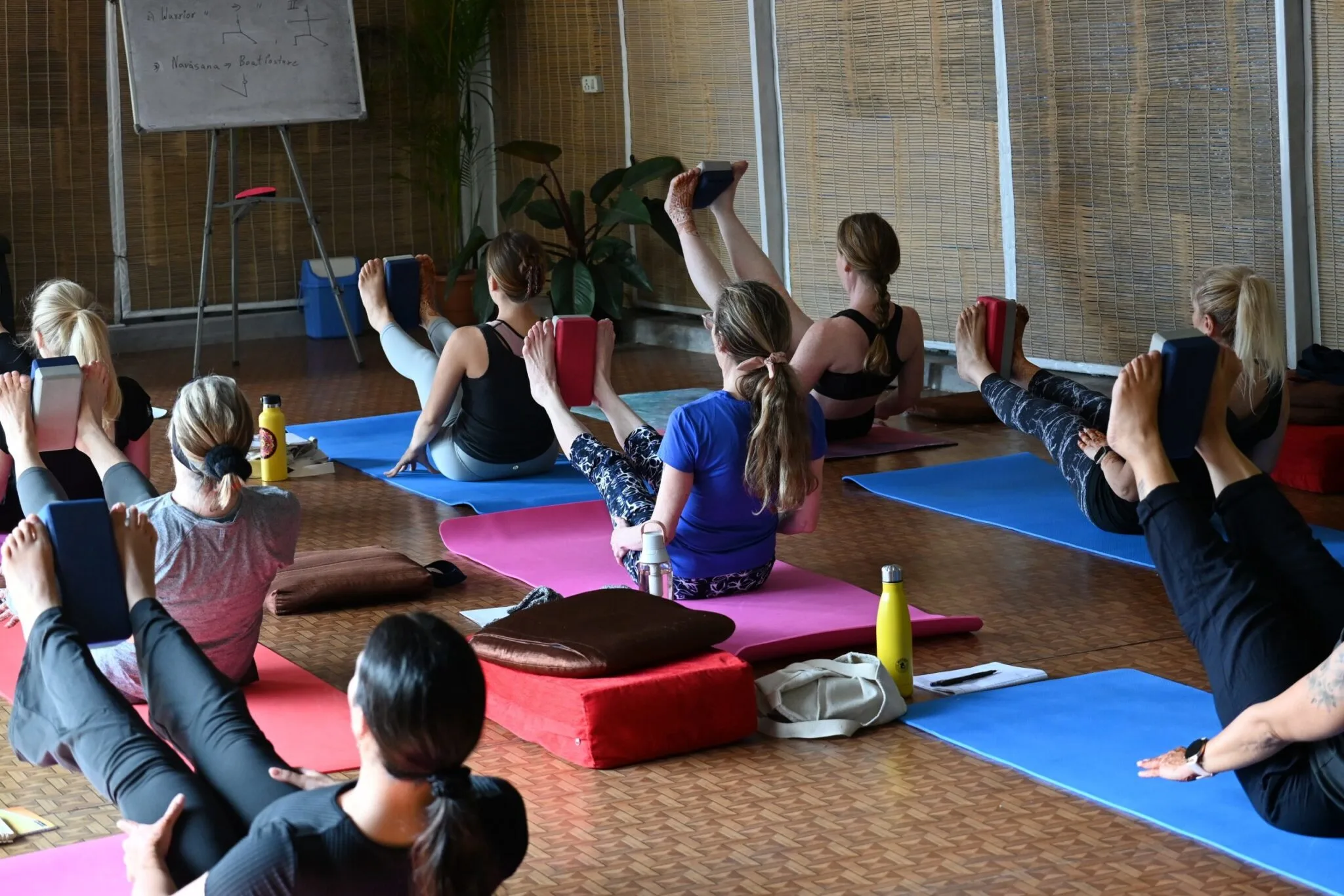
Alignment & Adjustment / Teaching Methodology
Lunch
Yoga Therapy Practical
Yogic Anatomy & Physiology
Tea / Coffee / Chai
Ashtanga Vinyasa
Meditation Session
Dinner
9:30 pm
6:30 AM – 7:30 AM Pranayama & Shatkarmas
7:45 AM – 9:00 AM Hatha Yoga
9:00 AM – 10:00 AM Breakfast
10:30 AM – 11:30 AM Yoga Philosophy
11:45 AM – 12:45 PM Alignment & Adjustment / Teaching Methodology
1:00 PM – 2:00 PM Lunch
3:00 PM – 4:00 PM Yoga Therapy Practical
4:00 PM – 5:00 PM Yogic Anatomy & Physiology
4:30 PM – 5:00 PM Tea / Coffee / Chai
5:00 PM – 6:15 PM Ashtanga Vinyasa
6:30 PM – 7:15 PM Meditation Session
7:30 PM – 8:30 PM Dinner
Your certificate

Internationally recognised certification

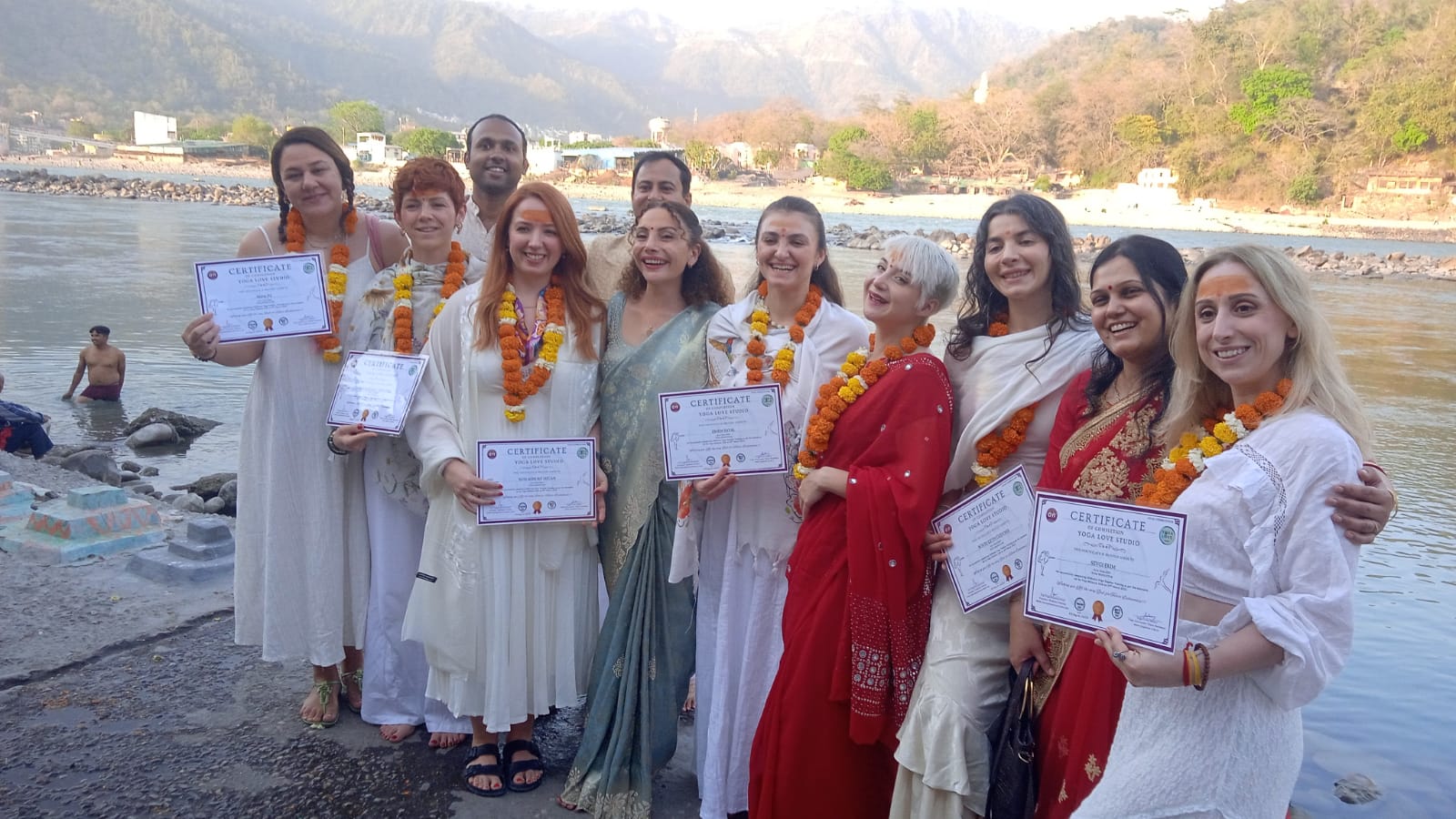
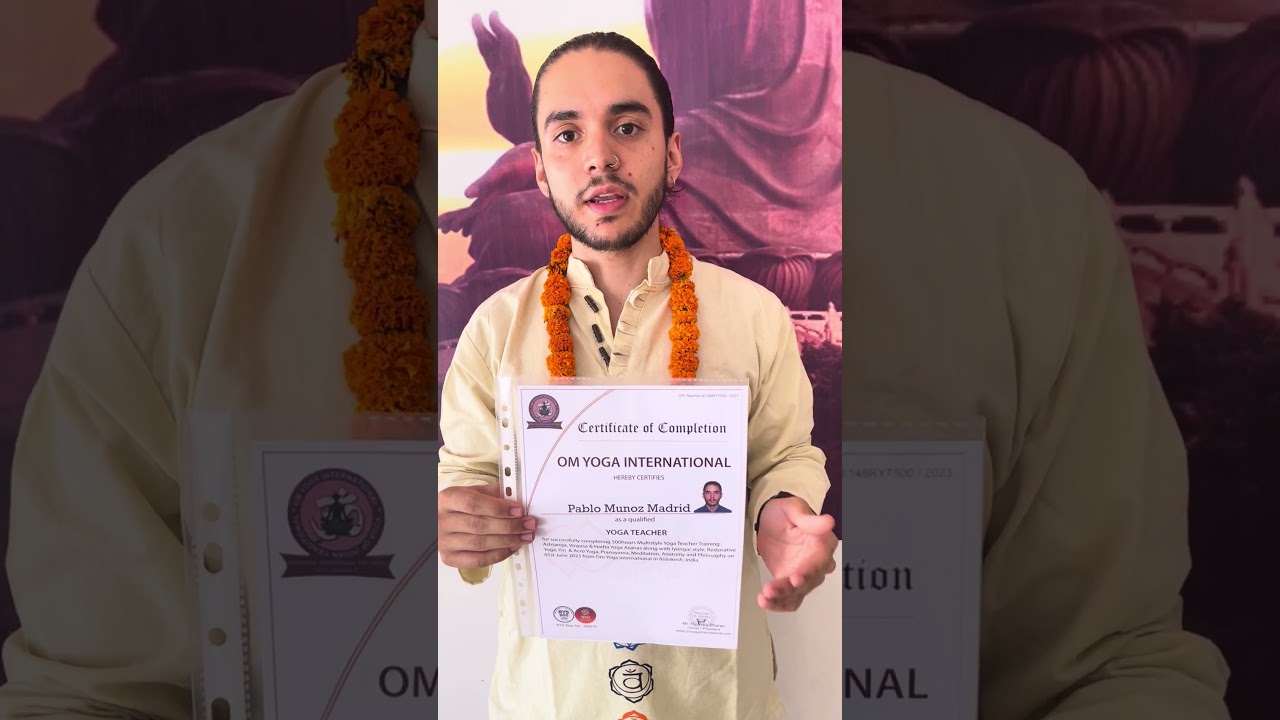
On successful completion of the RYT 500 Hour Complete Yoga Teacher Training, you receive a RYT 500 — Yoga Alliance USA certificate issued by Om Yoga International, Rishikesh — valid for lifetime and globally recognised.

  • Lifetime validity — no renewal required
  • Eligible for Yoga Alliance registration
  • Printed and signed by lead trainer
  • Carries Om Yoga International school seal

Begin Your Journey

RYT 500 HOUR COMPLETE YOGA TEACHER TRAINING — Course Fees & Upcoming Dates 2026

Select your preferred batch date

Selected batch: Sept 1 – October 29, 2026
60 days
Triple Sharing — $1699 USD
Ask about dates

Quad sharing available for female students only.

Rishikesh Sadan

Life at the campus

Rooms, dining and facilities where you will stay and train.

Where you will stay & eat

Accommodation & meals at Rishikesh Sadan

All course students are accommodated at Rishikesh Sadan — a residential campus in Tapovan, a quiet neighbourhood of Laxman Jhula in Rishikesh. Private rooms, twin sharing and triple sharing are available. Sattvic vegetarian meals are served three times daily in the on-campus dining hall.

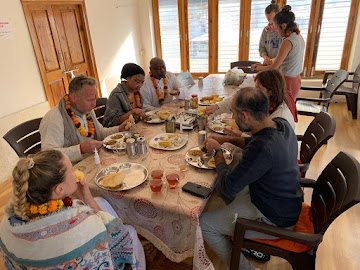
Sattvic meals — three times daily

All meals are prepared fresh on campus in the Ayurvedic tradition — vegetarian, nourishing and designed to support your practice. The meals would be catered with fresh fruits, salad, and healthy beverages. Vegan and gluten-free options available daily.

Campus — Rishikesh Sadan Campus
Private room — Rishikesh Sadan Private room
Twin sharing room — Rishikesh Sadan Twin sharing room
Triple sharing room — Rishikesh Sadan Triple sharing room
Campus corridor 1 — Rishikesh Sadan Campus corridor 1
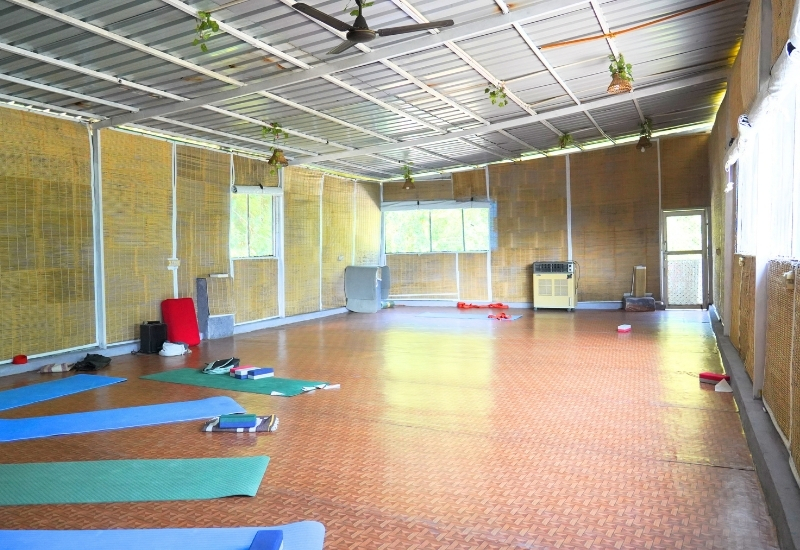
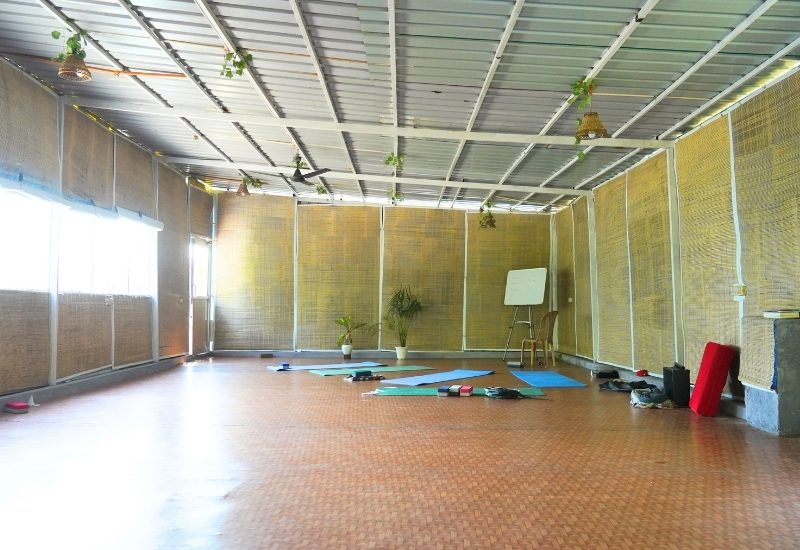
Yoga Hall — Rishikesh Sadan Yoga Hall
Sattvic meals — Rishikesh Sadan Sattvic meals
Private, twin and triple sharing rooms — all with hot water
Sattvic vegetarian meals — breakfast, lunch and dinner daily
Wi-Fi access throughout the campus
Daily housekeeping and fresh linen
5-minute walk to the Ganges and Laxman Jhula bridge
Secure 24-hour campus with staff on-site
Rooftop terrace with Himalayan mountain views
Arrival pick-up coordination on request
  • 500 hours of comprehensive yoga teacher training
  • Experienced and certified yoga instructors
  • Daily classes in Hatha, Ashtanga, Vinyasa, and Iyengar Yoga
  • Training in Yoga Philosophy, Anatomy, Pranayama, Meditation, Yoga Therapy, and Ayurveda
  • Teaching methodology, sequencing, and adjustment workshops
  • Practice teaching sessions and teaching practicums
  • Course manuals and study materials
  • Accommodation for the full duration of the course
  • Three nutritious vegetarian yogic meals daily
  • Herbal tea and filtered drinking water
  • Assessment, mentorship, and personalized feedback
  • Certificate upon successful completion of all course requirements
  • Access to a supportive international yoga community
  • Immersive residential experience in a peaceful learning environment
  • International or domestic airfare
  • Visa fees and travel documentation
  • Travel and medical insurance
  • Airport transfers (unless specifically stated)
  • Personal expenses and shopping
  • Laundry services
  • Additional meals, snacks, or beverages outside the provided menu
  • Optional excursions, sightseeing, and recreational activities
  • Private consultations or therapies not included in the curriculum
  • Additional accommodation before or after the course dates
  • Certification reissue or courier charges (if applicable)
  • Comfortable yoga clothing for daily practice
  • Light jacket or shawl for mornings and evenings
  • Personal toiletries and hygiene essentials
  • Reusable water bottle
  • Notebook and pens for study and journaling
  • Personal medications and basic first-aid items
  • Valid passport, visa, and travel documents (for international students)
  • Comfortable walking shoes or sandals
  • Sunscreen, hat, and insect repellent (if needed)
  • Small daypack or bag for daily use
  • Positive attitude and willingness to learn
Included as part of your TTC

Special sessions

These sessions are included in the course fee — not extras, not add-ons. Each one complements the core curriculum and gives you teaching tools you can carry into your own classes.

Sound Healing Session

A guided group session using Tibetan singing bowls, crystal bowls and tuning forks. Learn the principles of sound as a healing and teaching tool.

Reiki Healing Session

Introduction to Reiki energy healing — understand the chakra system in practice and experience a guided hands-on Reiki treatment.

Ayurveda Session

A group session with our Ayurvedic physician covering constitution, diet, daily routines and how Ayurveda integrates with yoga practice and teaching.

Acro Yoga Session

Partner-based Acro Yoga — builds trust, communication and core strength. A fun, community-building session guided by a specialist teacher.

Beach Yoga & Ganges Session

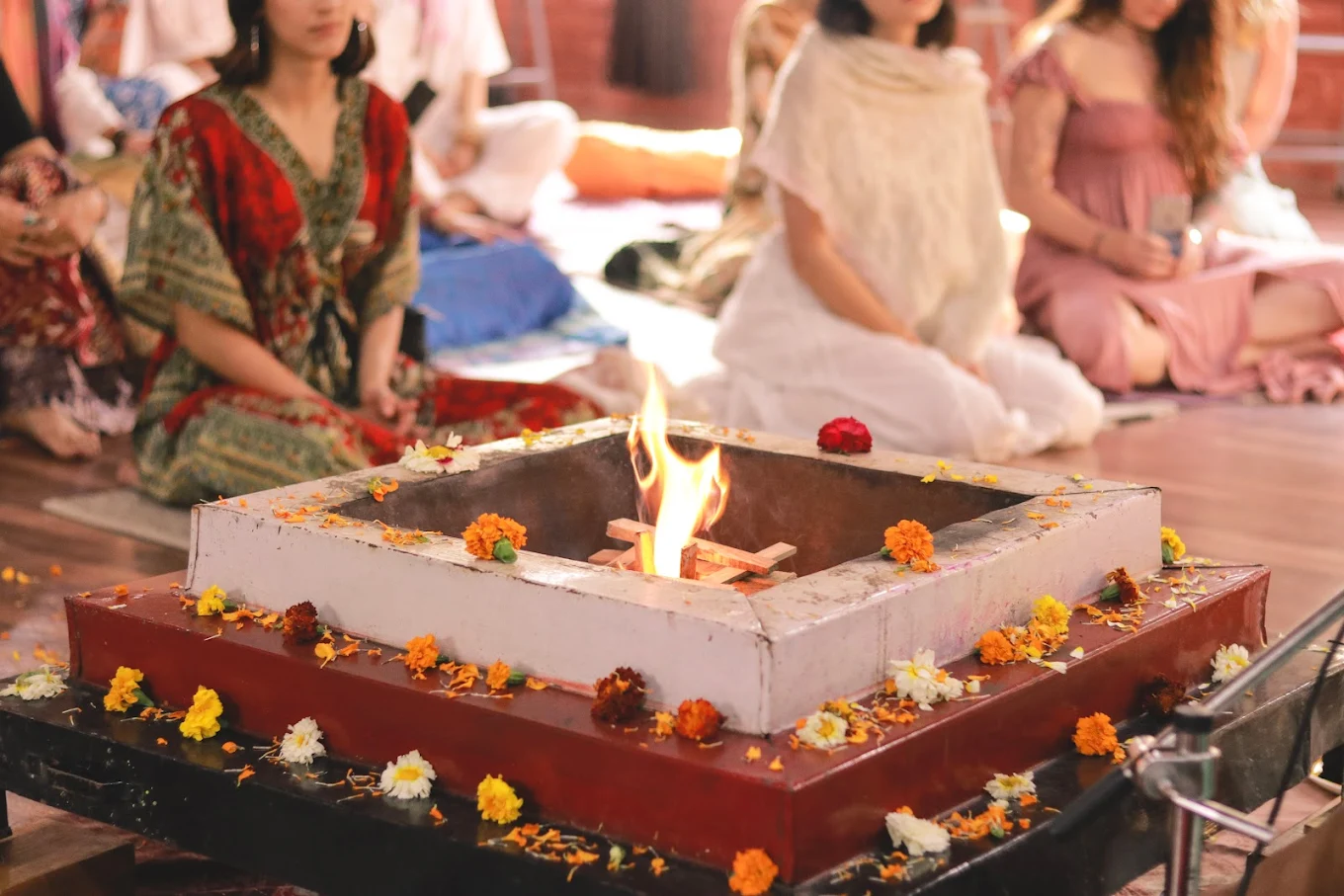
Practice yoga on the sandy banks of the Ganges river at sunrise — an experience that connects your practice to the land and the living water of Rishikesh.

Kirtan & Mantra Session

Live kirtan and group mantra chanting with harmonium and tabla. Learn call-and-response chanting you can lead in your own classes and retreats.
Your faculty

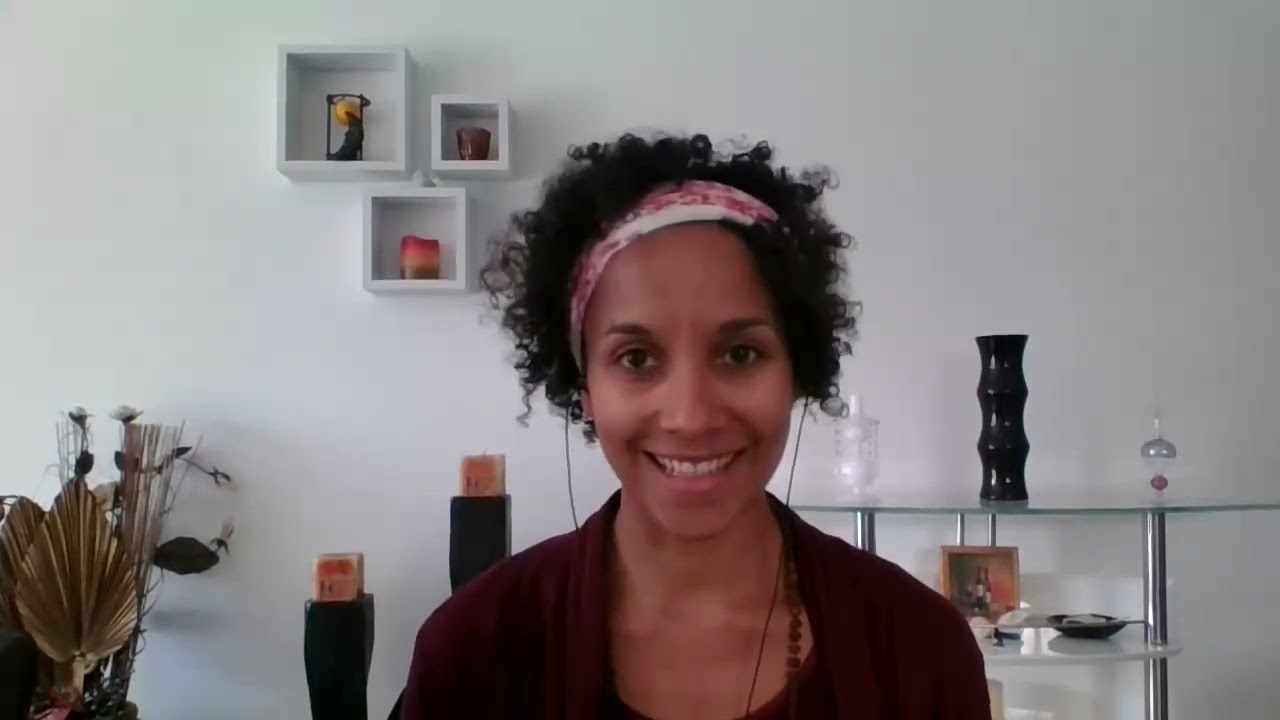
Meet the teaching team

Student reviews

What our students say

Real reviews from students who trained with Om Yoga International.

★★★★★
4.9 / 5  ·  Google Reviews
Verified by Trustindex
Questions

Frequently asked

Have a specific question? Reach the admissions team by WhatsApp or the contact form.

Contact admissions
Are the courses taught in English?
Yes. All courses are taught in English. Hindi support is available where needed. Teaching materials and assessments are in English.
Can beginners join the 200-hour TTC?
Yes. The 200-hour program is designed for sincere beginners and intermediate practitioners who are ready for a disciplined daily routine. No prior teaching experience is required.
What does the seat deposit cover?
The deposit reserves your place in the selected batch. The final residential fee — covering tuition, accommodation coordination and sattvic meals — is confirmed by admissions after booking. Room preference and arrival logistics are arranged before payment completion.
Are the certificates internationally recognised?
Om Yoga International is a Yoga Alliance USA registered school. Graduates can register as RYT 200, RYT 300 or RYT 500 with Yoga Alliance — the most internationally recognised credential for yoga teachers worldwide.
How do I travel to Rishikesh from abroad?
The nearest international airport is Indira Gandhi International Airport, Delhi (IGI). From Delhi, take a bus or taxi to Rishikesh (5–6 hours). Alternatively, fly to Jolly Grant Airport, Dehradun (DED) — 35 km from campus — and take a taxi (45 minutes). The admissions team sends a detailed arrival guide after booking.
What is included in the residential package?
Tuition, training manuals, assessment support, accommodation coordination and sattvic vegetarian meals throughout the course are included. Room options (shared or private) are confirmed at booking.
What is the batch size?
Batches are kept at 12–15 students to ensure every student receives individual attention, alignment correction and direct trainer feedback throughout the course.
Can I do the 200-hour and 300-hour training together?
Yes. The 500-hour combined pathway is designed for students who want to complete both levels in one extended residential stay. It is particularly well-suited to international students planning a single visit to India.
What yoga styles are taught?
Core styles include Hatha, Ashtanga and Vinyasa at the foundation level. Advanced courses introduce Yin, Restorative, Iyengar principles, Kundalini, pranayama and therapeutic applications. Specific styles depend on the course.
Is there a visa requirement for India?
Most international students require a tourist visa or e-Visa for India. Students should check requirements for their nationality on the Indian government's official visa portal. The admissions team can provide a course confirmation letter for visa applications.
Do you offer a shorter training for beginners who can't commit to 24 days?
Yes. The 100-Hour Yoga Teacher Training is a 12-day residential foundation program designed for complete beginners. It covers Hatha yoga, pranayama, meditation, philosophy and basic teaching methodology. Hours are recognised as credit toward the full RYT 200 pathway.
What is the Kundalini Yoga TTC and who is it for?
The 200-Hour Kundalini Yoga Teacher Training is a 24-day residential immersion covering the complete Kundalini kriya system, pranayama, mantra, mudra, chakra science and teaching methodology. It begins with a pre-dawn sadhana practice at 4 am daily. Some prior yoga experience is recommended.
Is the Yin Yoga TTC suitable for teachers who already have a 200-hour certificate?
Yes. The Yin Yoga Teacher Training (50 hours, 9 days) is designed for certified yoga teachers and dedicated practitioners who want to deepen their understanding of the Yin Yoga system, TCM meridian theory and therapeutic sequencing. Hours are eligible as YACEP continuing education credits with Yoga Alliance.
Do I need aerial yoga experience to join the Aerial Yoga TTC?
No prior aerial experience is required. The Aerial Yoga Teacher Training (40 hours, 7 days) is open to all practitioners with basic fitness. The course begins with foundational hammock work and progresses through postures, safety protocols and sequencing for all levels.
How do I get to the campus from Delhi?

Students fly to Jolly Grant Airport (DED) in Dehradun, 35 km from campus, or take the overnight train from Delhi to Haridwar (6 hours) and then a taxi or shared tempo to Tapovan. The admissions team provides detailed arrival guidance after booking.

Is accommodation included in the deposit?

The seat deposit reserves your place in the batch. Accommodation is coordinated by the school and confirmed with final fee details. Shared and private room options are available depending on availability.

What language is the course taught in?

Classes are conducted in English with Hindi support where needed. All teaching materials and assessments are in English.

From $900 USD